The Complete Overview
Brad Pitt’s net worth is a living ecosystem, constantly evolving with each new project, investment, and business venture. Unlike traditional celebrities whose wealth peaks and plateaus, Pitt’s financial strategy has ensured sustained growth—even during industry downturns. To understand how he did it, we must dissect the three pillars of his fortune: acting residuals, production empire, and alternative investments.
Historical Background and Evolution
Pitt’s wealth trajectory can be divided into four distinct phases:
- The Struggle (1987–1994): Early Career & Breakthrough
- Before
Fight Club (1999), Pitt was a broke actor
with minor roles in Dallas and 21 Jump Street.
- By 1994, his earnings were modest—$500,000 per film
—but his negotiation skills
(securing backend deals) began setting the stage for future wealth.
The Golden Era (1995–2005): Blockbuster Star & Production Powerhouse
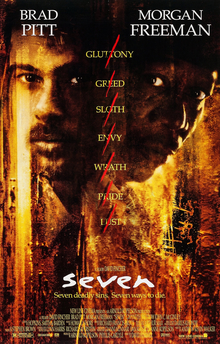
- Films like Seven (1995), Thelma & Louise (1991), and Ocean’s Eleven (2001) made him a bankable star
.
- He co-founded Plan B Entertainment (2002)
, ensuring profit participation
in projects like Inglourious Basterds and The Curious Case of Benjamin Button.
The Mogul Phase (2006–2015): Diversification & Global Branding
- Beyond acting, Pitt invested in real estate
(New Orleans, London, Los Angeles) and wine
(Château Miraval, a $100M+ venture
).
- His production deals
(e.g., World War Z, Ad Astra) ensured recurring revenue streams
.
The Legacy Era (2016–Present): Tech, Philanthropy & Long-Term Holdings
- Recent projects like The Lost City (2022) and Bullet Train (2022) prove his enduring box-office pull
.
- He’s also dabbled in tech investments
(e.g., AI-driven production tools
) and philanthropic ventures
(e.g., Make It Right
, a New Orleans housing initiative).
Core Mechanisms: How It Works
Pitt’s wealth isn’t just from
salaries
—it’s from ownership
. Here’s how:
Backend Deals & Profit Participation
- Most actors earn a salary + residuals
, but Pitt negotiates profit participation
(e.g., Fight Club earned him $10M+
from DVD/streaming sales).
- His Plan B Entertainment
takes a percentage of gross
, not just net.
Real Estate as a Hedge
- Owns multiple properties
(e.g., $30M mansion in Los Angeles
, château in France
).
- Short-term rentals
(via Airbnb) add passive income
.
Wine & Luxury Ventures
- Château Miraval
(co-owned with Angelina Jolie) produces high-end wine
, with $10M+ annual revenue
.
- Brad Pitt’s wine cellar
is reportedly worth $5M+
.
Production Company Leverage
- Plan B
has $1B+ in revenue
from films like 12 Years a Slave and Joker.
- He retains creative control
, ensuring higher ROI
.
Smart Tax & Legal Structures
- Uses offshore accounts
(legally) and LLCs
to minimize tax burdens
.
- Charitable donations
(e.g., Make It Right
) reduce taxable income.
Key Benefits and Impact
Pitt’s financial strategy isn’t just about
accumulating wealth
—it’s about controlling it
. His approach has three major advantages
:
Recurring Revenue Streams
– Unlike one-hit wonders, Pitt’s production company and residuals
ensure long-term cash flow
.Asset Appreciation
– Real estate and wine increase in value
over time.Brand Longevity
– By reinventing himself
(from heartthrob to action hero to producer), he stays relevant
.Diversification
– No single industry (film, wine, tech) dominates his portfolio.Legacy Building
– His philanthropy and business ventures
ensure lasting influence
beyond Hollywood.
"Brad Pitt didn’t just act in movies—he
invested in them
." — Forbes, 2023
Major Advantages
- Film Profit Sharing: Unlike most actors, Pitt
owns stakes
in his projects, earning millions from reruns, streaming, and merchandising
(e.g., Ocean’s Eleven alone made $500M+
worldwide).
Real Estate as a Safe Haven: His global property portfolio
(including $20M+ in Paris
) appreciates while generating rental income
.
Wine Empire with Premium Margins: Château Miraval’s luxury branding
ensures high profit margins
(bottles sell for $50–$200+
each).
Production Company Dominance: Plan B’s exclusive deals
with studios mean higher budgets, better scripts, and bigger profits
.
Tax Optimization Through Philanthropy: Donations to Make It Right
and other causes reduce taxable income
while enhancing his public image.
Comparative Analysis
How does Pitt’s
net worth
stack up against other A-list stars? Here’s a side-by-side breakdown
:
| Celebrity |
Estimated Net Worth (2024) |
Primary Wealth Sources |
Key Difference from Pitt |
| Leonardo DiCaprio |
$100M+ |
Acting, environmental activism, production deals |
Less diversified; relies heavily on one film franchise (Titanic). |
| Tom Cruise |
$600M+ |
Acting, real estate, Mission: Impossible franchise |
More franchise-dependent; Pitt’s production company gives him creative control. |
| Angelina Jolie |
$100M+ |
Acting, humanitarian work, wine investments (Miraval) |
Pitt’s business ventures (Plan B, real estate) are more lucrative. |
| George Clooney |
$200M+ |
Acting, Casamigos tequila, real estate |
Pitt’s film production is more profitable than Clooney’s alcohol brand. |
Key Takeaway:
While Tom Cruise
has a higher net worth, Pitt’s diversification
(film, wine, real estate) makes his wealth more sustainable
.
Future Trends
Pitt’s next
wealth-building moves
will likely focus on:
AI & Digital Production
- Investing in AI-driven filmmaking
(e.g., deepfake technology, virtual sets
).
Expanding Miraval Beyond Wine
- Turning the château into a luxury resort
(potential $500M+ valuation
).
More Tech Ventures
- Possible streaming platform investments
or NFT collaborations
.
Legacy Projects
- Documentaries or autobiographical films
to monetize his brand
.
Global Real Estate Plays
- Middle East or Asia
(Dubai, Singapore) for high-yield properties
.
Conclusion
Brad Pitt’s
net worth
isn’t just a reflection of his acting talent
—it’s a masterclass in financial strategy
. While most stars fade after their prime
, Pitt has reinvented himself repeatedly
, ensuring his wealth grows with each decade
.
His
combination of backend deals, production ownership, and alternative investments
makes him one of Hollywood’s most financially savvy figures
. As he approaches 60
, his next chapter
—whether in tech, wine, or real estate
—will determine if he reaches the $1B mark
.
One thing is certain:
Brad Pitt didn’t just act in movies—he built an empire.
Comprehensive FAQs
Q: How much is Brad Pitt worth in 2024?
As of 2024, Brad Pitt’s
net worth is estimated at $400 million
, according to Forbes and Celebrity Net Worth
. This includes film residuals, production company profits, real estate, and wine investments
.
Q: What is Brad Pitt’s highest-paid movie?
His
highest single salary
was $20 million
for World War Z (2013). However, his most profitable project
is likely Ocean’s Eleven (2001), which earned $450M+ worldwide
and continues to generate residual income
from reruns and streaming.
Q: Does Brad Pitt own a wine company?
Yes. He co-owns
Château Miraval
in France (with Angelina Jolie), a luxury wine estate
worth $100M+
. The Château Miraval wine
sells for $50–$200 per bottle
, with annual revenue exceeding $10M
.
Q: How does Brad Pitt make money besides acting?
Pitt’s
non-acting income
comes from:
Plan B Entertainment
(production company profits)
Real estate investments
(mansion in LA, Paris, New Orleans)
Wine business
(Château Miraval)
Brand endorsements
(e.g., Dior, Chanel
)
Residuals from old films
(streaming, DVD sales)
Q: Is Brad Pitt richer than Tom Cruise?
No.
Tom Cruise’s net worth ($600M+)
is higher due to his longer career and
Mission: Impossible franchise
. However, Pitt’s diversification
(film, wine, real estate) makes his wealth more sustainable
than Cruise’s franchise-dependent
income.
Q: How did Brad Pitt get so rich?
Pitt’s wealth comes from
five key strategies
:
Negotiating backend deals
(owning stakes in films)
Founding Plan B Entertainment
(profit participation)
Investing in real estate
(appreciating assets)
Co-owning Château Miraval
(luxury wine business)
Diversifying into tech & philanthropy
(long-term growth)
Unlike most actors, Pitt owns the means of production
, not just his talent.
Q: What is Brad Pitt’s biggest business venture?
His
biggest business venture
is Plan B Entertainment
, which has generated over $1B in revenue
from films like 12 Years a Slave, Inglourious Basterds, and The Curious Case of Benjamin Button. The company retains profit shares
, making it Pitt’s most lucrative asset
.
Q: Does Brad Pitt pay taxes on his residuals?
Yes, but he
minimizes taxable income
through:
Charitable donations
(e.g., Make It Right)
Offshore accounts & LLCs
(legal tax optimization)
Depreciation deductions
(real estate)
Like most high-net-worth individuals
, Pitt uses legal strategies
to reduce tax burdens
.
Q: Will Brad Pitt’s net worth keep growing?
Absolutely. His
future wealth drivers
include:
Upcoming films
(The Lost City, potential sequels)
Expanding Château Miraval
(resort development)
Tech investments
(AI, streaming, NFTs)
Real estate appreciation
(global properties)
Legacy projects
(documentaries, autobiographical works)
At 59
, Pitt is far from retirement—his financial playbook
suggests continued growth**.